
From 1 April 2027 the National Living Wage rises 3.9%, from £12.71 to £13.21 an hour, and the 18 to 20 rate rises to £11.27. Once holiday pay, employer National Insurance and pension are added, each 50p rise can cost a restaurant around 66p an hour. Smaller sites in England get some of that back through wider business rates relief. With restaurant profit margins already thin, though, most independents will need a small, planned price rise to hold them.
What changes on 1 April 2027
Every minimum wage rate rises by the same 3.9%. The Government accepted the Low Pay Commission’s recommendations in full at the Autumn Budget on 28 October 2026.
| Rate | Now (from April 2026) | From 1 April 2027 | Rise |
|---|---|---|---|
| National Living Wage (21 and over) | £12.71 | £13.21 | 50p (3.9%) |
| 18 to 20 | £10.85 | £11.27 | 42p (3.9%) |
| 16 to 17 | £8.00 | £8.31 | 31p (3.9%) |
| Apprentice | £8.00 | £8.31 | 31p (3.9%) |
| Accommodation offset (per day) | £11.10 | £11.53 | 43p (3.9%) |
Source: Low Pay Commission, Minimum wage rates for 2027, GOV.UK, published 28 October 2026.
Some early coverage gave the new rate as £13.20. The official figure is £13.21, so check that your payroll provider has the right one.
Some things stay the same. Employer National Insurance stays at 15%, and the VAT rate on hospitality stays at 20%. Ministers have since ruled out a permanent hospitality VAT cut, despite cross-party pressure.
What a 50p rise really costs per hour
Every extra pound of pay carries holiday pay, employer National Insurance and pension on top, so a 50p rise costs closer to 66p an hour for an adult on the rota.
| Add-on | Rate | Applies to | Cost per hour on a 50p rise |
|---|---|---|---|
| Pay rise | 50p | Everyone 21 and over | 50.0p |
| Holiday pay accrual | 12.07% | Hourly staff | +6.0p |
| Employer NI | 15% above £5,000 a year | Staff 21 and over | +8.4p |
| Employer pension | 3% (auto-enrolment) | Staff 22 and over | +1.7p |
| Total | ~66p |
Employer NI and the £5,000 threshold are unchanged for 2027/28. There’s no employer NI on under-21s or apprentices under 25, so the 42p rise on the 18 to 20 rate costs about 47p with holiday pay. The Williams, Stanley & Co. Budget 2026 calculator uses the same approach and reaches the same 66p.
A worked example
Take an independent restaurant taking £18,000 a week before VAT, with this rota:
- 380 hours a week paid at the National Living Wage
- 60 hours at the 18 to 20 rate
- 120 hours for supervisors and chefs just above the minimum, who also get 50p to keep the gap
| Group | Hours a week | Loaded rise per hour | Extra cost a week |
|---|---|---|---|
| National Living Wage | 380 | 66p | £251 |
| 18 to 20 rate | 60 | 47p | £28 |
| Just above the minimum | 120 | 66p | £79 |
| Total | 560 | £359 a week (~£18,700 a year) |
That £359 a week is about 2% of takings. To hold the same profit on the same volume, prices need to rise about 2% across the menu, or about 33p on a £16.50 main. The alternatives are about 17 extra covers a week (at £30 a head and a 70% gross margin) or about 20 fewer rota hours.
These are illustrative figures, not advice for your business. If your employer NI bill is under the £10,500 Employment Allowance, part of the NI won’t be paid, so run your own rota through it.
Owners most often forget the supervisors’ line. If a team leader is on £13.20 today and you do nothing, from April they’ll earn less than the people they supervise.
Business rates: who pays less from April
Rates relief helps small single-site venues and pubs in England, but for most restaurants it’s far smaller than the wage rise. Here’s what the Budget changed from April 2027:
| Change | Who it helps | What it means |
|---|---|---|
| Small Business Rates Relief: full relief up to £18,000 rateable value (was £12,000), tapering to £21,000 (was £15,000) | Mainly single-site businesses in England | A small café or restaurant under £18,000 may pay no rates at all |
| Pubs, social clubs and live music venues: relief rises from 15% to 35% | Qualifying pubs and venues in England | The Treasury estimates average savings of more than £3,000 per pub next year |
| Other retail, hospitality and leisure bills capped at CPI inflation for 2027/28 and 2028/29 | Restaurants, cafés, bars and hotels | Bills can still rise, but by no more than inflation |
If you run a restaurant rather than a pub, your bill is still likely to go up a little in cash terms. If you have one site, check your rateable value on the GOV.UK business rates service: sites under £21,000 may qualify for some or all of the new relief. Scotland, Wales and Northern Ireland set their own rates rules.
For scale, in the Williams, Stanley & Co. worked example of a busy pub, the bigger pub relief saves about £1,460 a year while the wage rise adds about £22,460. Most of the April cost sits in labour.
Five things to do before April
You’ve got about four months, which is enough time to spread the cost instead of taking the whole hit on 1 April.
1. Work out your own number
Pull last month’s rota and count the hours paid at each rate. Multiply National Living Wage hours by 66p and 18 to 20 hours by 47p, and decide whether supervisors keep their gap. Divide that weekly figure by your weekly takings before VAT, and you have the price rise you need to stand still.
2. Raise prices in two small steps
A 1% change in January and another 1% in March is easier on guests than 2% on 1 April. Start with the dishes that earn the most and sell steadily, not your cheapest item. Our guide to menu engineering shows how to spot which dishes can carry it.
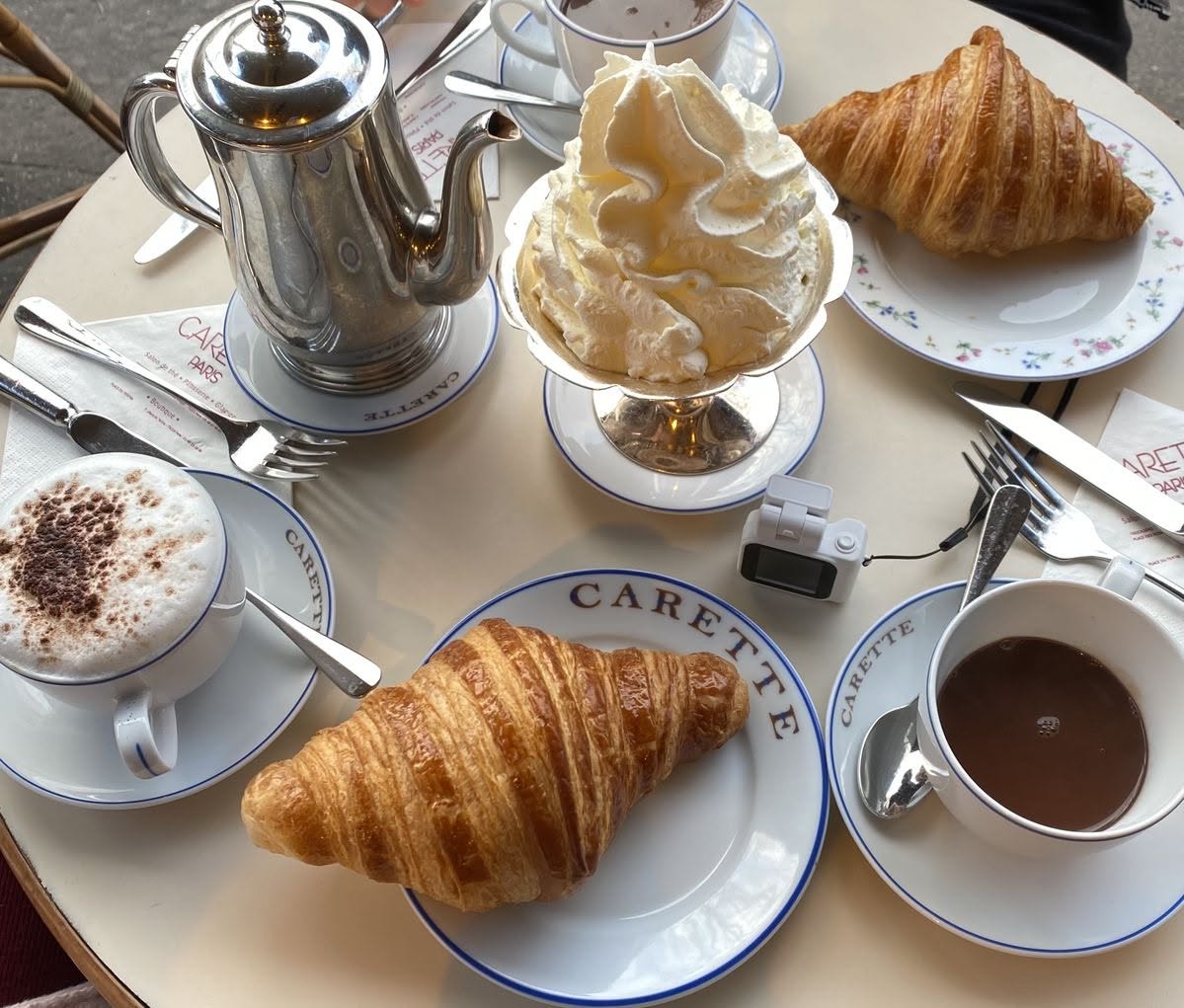
Guests accept small, steady price moves on popular items like coffee and pastries more easily than one big jump.
3. Check your delivery app prices separately
On a platform order, about 30% goes in commission before your wage bill is touched. If your app prices already sit above your in-house menu, check that the gap still covers the commission after April. Our delivery commission data shows what each order really keeps.
4. Plan the rota around real demand
Compare covers by hour with staff by hour and cut the overlap on quiet shifts, starting with the empty Tuesday problem we looked at in this report.
5. Grow the sales that carry the least labour
Private dining, corporate lunches, gift vouchers and direct takeaway orders add revenue with little extra rota time. Our guides to private dining and gift cards are a good place to start.
From April, track three numbers weekly: labour as a share of sales, average spend per head and covers. If labour creeps up and spend doesn’t follow, adjust in May rather than at year end.
Where Growtality fits
A wage rise is easier to absorb when more of each order stays with you. That’s the idea behind Growtality, an all-in-one revenue growth platform for independent restaurants, bars, pubs and cafés in the UK and US. Direct online ordering, bookings, a guest CRM, loyalty and email and SMS marketing all work from the same data. Growtality can’t change the April wage rate, but it can help you move some orders off the apps and fill quieter shifts from your own guest list. If you’d like to see the numbers for your venue, book a free demo. If not, start with step one above and work out your own number.
Sources
- Minimum wage rates for 2027, Low Pay Commission, GOV.UK, 28 October 2026
- LPC recommendations take the National Living Wage to £13.21, GOV.UK press release
- Autumn Budget 2026: What does it mean for pub operators?, The Morning Advertiser, 29 October 2026
- Budget 2026 Impact Calculator for Hospitality, Williams, Stanley & Co.
- Employers and company directors: Autumn Budget 2026, uktax.tools (employer NI 15% and Employment Allowance £10,500 unchanged for 2027/28)
- Ministers rule out permanent hospitality VAT cut, CLH News, 13 November 2026
Questions owners ask
What is the minimum wage from April 2027?
From 1 April 2027 the National Living Wage for workers aged 21 and over is £13.21 an hour, up 50p or 3.9%. The 18 to 20 rate rises to £11.27, and the 16 to 17 and apprentice rates rise to £8.31.
Is the new minimum wage £13.20 or £13.21?
It’s £13.21. Some early reports said £13.20, but the Low Pay Commission’s published rates and the Government’s announcement both give £13.21.
How much does the April 2027 rise cost a restaurant per hour?
Around 66p for each adult hour paid at the National Living Wage, once holiday pay, employer National Insurance at 15% and 3% pension are added to the 50p rise. Hours for 18 to 20 year olds cost about 47p more, because no employer NI is due on under-21s.
How much should I raise my menu prices?
Divide your extra weekly wage cost by your weekly takings before VAT. In our worked example, that’s about 2%, or 33p on a £16.50 main. Spread it over two small rises, and test it first on your best-margin dishes.
Will my restaurant pay less business rates in 2027?
Only if it’s a small single site in England with a rateable value under £21,000, where the new Small Business Rates Relief may cut or remove the bill. Other restaurants get a cap that holds rises to inflation for two years, so most bills will still rise slightly in cash terms.
Did the Budget cut VAT for hospitality?
No. Hospitality VAT stays at 20%, and the Government has since said it won’t introduce a permanent cut.