
Monday morning in five systems
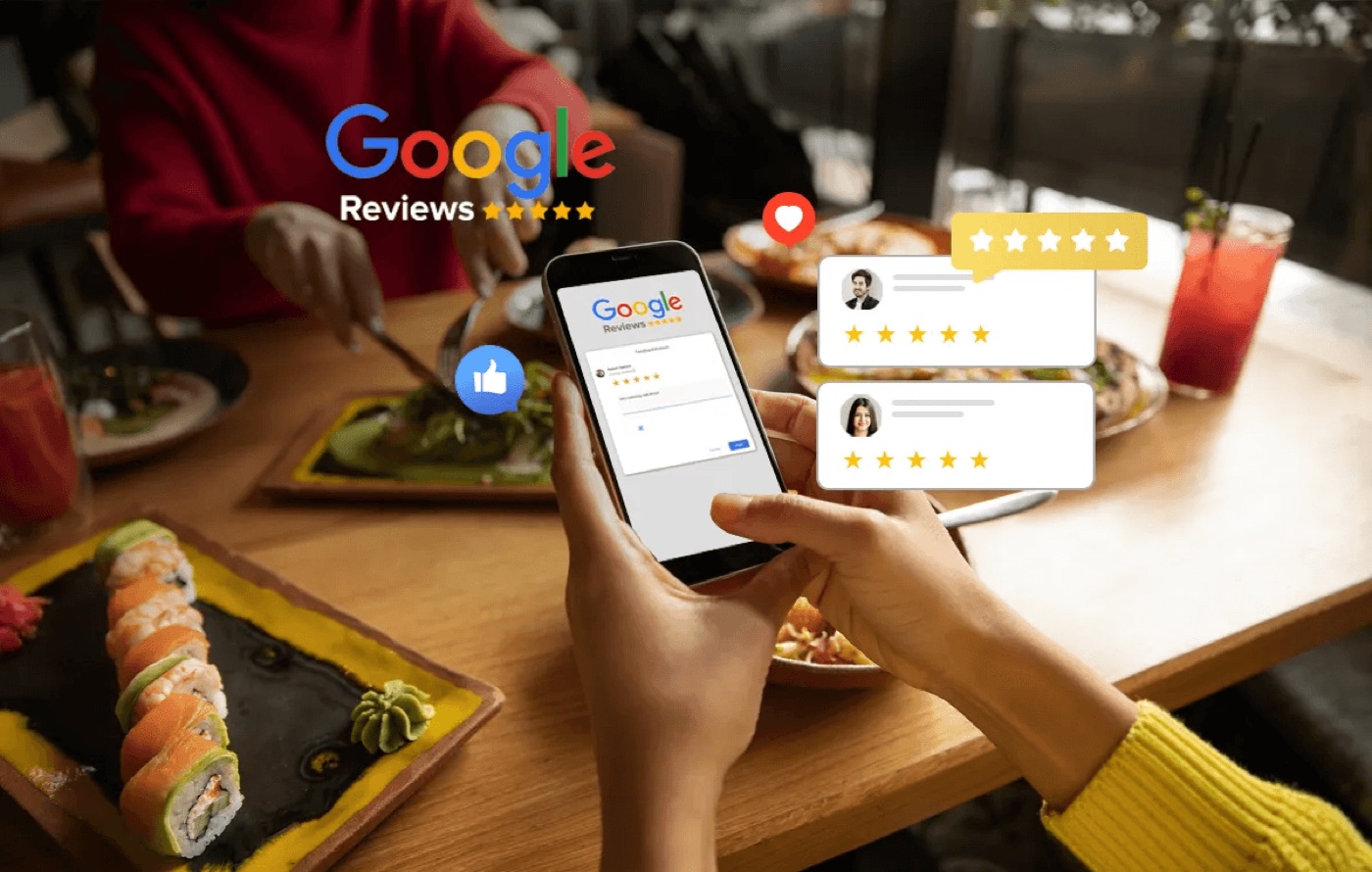
It is Monday, and the manager is trying to work out how last week went. Bookings are in one system, online orders in another, the email list in a third and the phone notes on a pad by the till. Payments sit in the payment provider’s dashboard. Each one has its own login and its own report, and none of them agree on how many guests came in.
That is how most restaurants end up running: one tool added at a time, each solving one problem. Together they cost a lot, take hours to manage and still leave the important questions unanswered.
Restaurant management software is meant to fix that. The question is what you actually need, and what you are paying for that you never use.
What restaurant management software covers
The term covers a wide range of tools. Some are built around the till and kitchen, some around bookings, some around marketing. A useful way to think about it is the jobs your restaurant does every week:
- Taking bookings from your website, Google and social, with deposits and reminders that cut no-shows
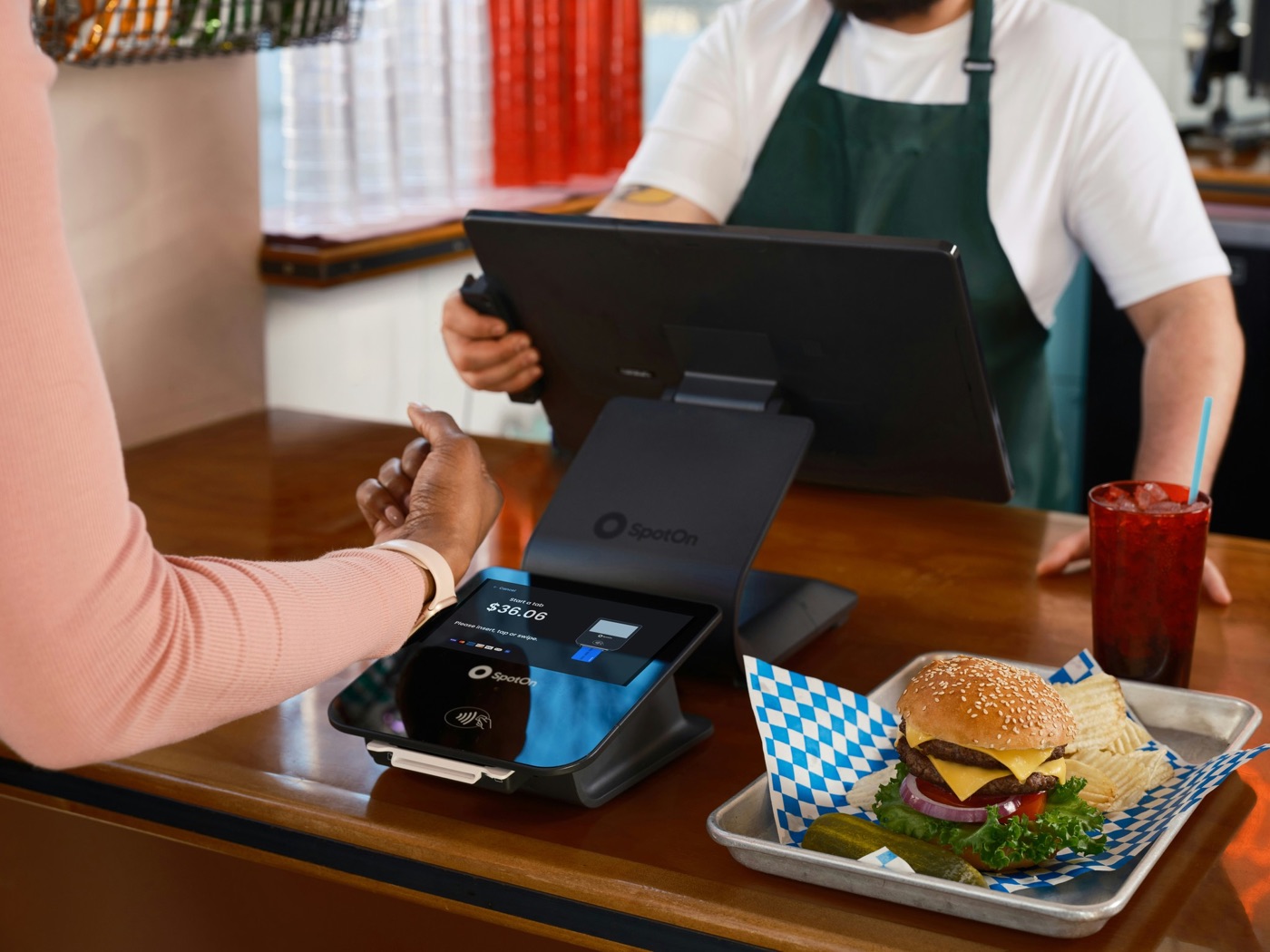
- Taking orders online, at the table and by phone, sent straight to the kitchen
- Running the floor with a live view of tables, bookings and walk-ins
- Knowing your guests with a profile for each one, built from every booking and order
- Bringing guests back with email and SMS campaigns, loyalty and automated messages
- Answering the phone and questions without pulling staff off the floor
- Seeing the numbers for sales, covers, channels and guests in one place
You probably already have something for most of these. The real question is whether they work together.
The hidden cost of separate tools
Add up what you pay each month for your booking system, online ordering, email marketing, SMS, loyalty app, website and any per-cover or per-order fees. For many restaurants, that list runs to five or six subscriptions before counting the commission on delivery apps.
The cost is not only the bills. Every separate tool means re-typing orders, menus out of step between channels, guest details split across systems and reports that cannot be compared. The time your team spends moving information between tools is time not spent on guests.
What to look for
One guest profile across everything
When a guest books, orders online and leaves a review, all of it should land on one profile. That is what makes marketing, loyalty and service personal without extra work.
One menu, updated once
Prices, photos, allergens and sold-out items should change in one place and update your website, ordering page and table ordering at the same time.
Fees you can understand
Check how each tool charges: monthly subscription, per cover, per booking or a percentage of every order. Per-cover and percentage fees grow with your busiest weeks, so work out what each would cost at your real volumes.
Built for how a restaurant works
Software designed for general retail or for big chains can be powerful but complex. Look for tools a manager can set up and use during service, with support that answers when you need it.
Your data, your customers
Make sure you own your guest data, can export it and are not paying a third party for access to your own customers.
Questions to ask before you switch
- Which of my current tools would this replace, and what would I still need?
- What will it cost at my real number of covers and orders?
- How long does setup take, and who does the work?
- Can I keep my existing tools running while I move over?
- Does it connect to my till or payment provider?
- What happens to my data if I leave?
Working out the return
List your current monthly spend on software and app commission, then estimate the hours your team spends each week moving information between tools. Compare that with the cost of one platform. For many restaurants, the bigger saving is not the subscriptions but the commission on orders that move back to your own channels and the guests you bring back because you can finally see who they are.
Growtality brings bookings, online and table ordering, guest CRM, marketing, loyalty, an AI phone assistant and reporting into one platform with one login. Your menu, guests and numbers live in one place, so the floor, the kitchen and the office see the same picture. You can compare plans on the pricing page.
Try Growtality free for 14 days and see what one platform does for your Monday mornings.
Questions owners ask
What does restaurant management software cover?
The weekly jobs of running a restaurant: taking bookings, online and table orders, managing the floor, guest profiles, marketing, reviews, phone enquiries and reporting. Some products cover one job; all-in-one platforms cover most of them.
What's the hidden cost of using separate restaurant tools?
Five or six subscriptions, per-cover or per-order fees, and staff hours spent moving information between systems. Guest data also ends up split, so marketing and service can't be personal.
What should I ask before switching restaurant software?
Which tools it replaces, what it costs at your real number of covers and orders, how long setup takes and who does it, whether you can run your existing tools alongside it, and whether you can export your guest data.